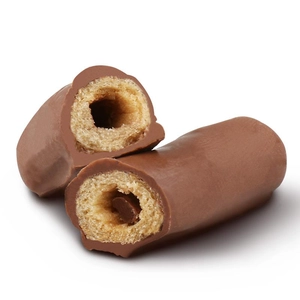
You may be surprised to know that one of your favorite hobbies – eating candy and chocolate, of course – can turn into a huge money making venture.
In fact, according to the National Association for the Specialty Food Trade, specialty foods account for $50.3 billion in sales through retail stores and $12.7 billion in sales through restaurants. And a lot of that is candy.
The average American eats almost 24 pounds of candy each year and spends $84 annually to feed their habit. The market for specialty candy is big and growing. So what does it mean to you? Perhaps you can start a booming candy business for a rather small investment.
The competition is fierce, however, and if you’re going to jump into this rapidly growing industry, you need a plan. Follow along as we look at seven steps to turn your hobby into a lucrative business.
7 Steps to Starting a Candy Business
1. Know What’s Out There
If you’re interested in starting a candy making business, you’ll probably start by selling to your local market. You might be surprised at how many competitors you already have. So before you get too heavily invested, research who is selling specialty candy in your area, and exactly what they’re offering. Look online and talk to local specialty food stores to determine what they stock and what’s moving off their shelves. Visit local candy stores and do your own reconnaissance – it always pays to know what your competitors are up to!
After you’ve summed up the competition, think about what type of candy you want to manufacture and sell. If the market is inundated with chocolate, but has little or no competition for hard candies or caramels, that might be your perfect place. On the other hand, if you’ve got a chocolate recipe that’s truly unique and can carve out its own niche, you may be able to take over a piece of that market.
2. Decide on Your Story
Many successful specialty food items have stories behind them, and stories make people feel good about buying products. It’s also what makes them stand out from their competition. For instance, imagine you are faced with two chocolate bars – one in an ordinary wrapper with an ordinary name, and the other in an eye-catching wrapper with a story of exotic (and delicious) cocoa beans saved from the verge of extinction. Which one would you buy? I don’t know about you, but I like the idea of saving a struggling cocoa bean almost as much as I like eating one!
But the story doesn’t necessarily have to be exotic. Maybe your child helped create the recipe, or you’ve resurrected a formula used by your family for generations. Whatever it is, it’s important that you make the consumer see more than just candy – it has to speak to their heart. After you’ve perfected your story, create a memorable name that represents your candy, and your story as well.
3. Make It Legal
As with any business, you’re required to get a business license and a seller’s license to make it legal. You’ll likely have to become a certified food safety professional, which means taking a class that instructs you how to safely prepare and store food. Your facility will also have to pass health inspections on a regular basis – just as a restaurant would.
4. Decide on Your Space

Since you’ll be selling edibles, your local health department will have a lot to say on where and how you can run your business. If you plan to make candy out of your kitchen, you may face serious restrictions, such as not being able to cook other food there or have pets in your home.
Wenn Sie in einem Staat leben, der solche Beschränkungen hat, möchten Sie möglicherweise eine kommerzielle Küche mieten. Glücklicherweise finden Sie Websites online mit Auflistungen in Ihrer Region. Einige Süßwarenhersteller vermieten Küchen in Restaurants während ihrer Off-Höfchen oder an den Tagen, an denen sie geschlossen sind. Andere pachten Platz und richten ihre eigene kommerzielle Küche ein. Wenden Sie sich an Ihr örtliches Gesundheitsministerium, um herauszufinden, was erforderlich ist.
5. Überlegen Sie sich über Finanzmittel
Das Tolle an dem Süßigkeitengeschäft ist, dass Sie sehr klein anfangen und dann beim Wachstum Ihres Unternehmens expandieren können. Auf diese Weise können Sie am Anfang die Kosten auf ein Minimum halten. Die Schätzungen für Startkosten liegen zwischen 2.000 und 50.000 US-Dollar-was eine große Reichweite entspricht. Ihre Startkosten werden danach festgelegt, ob Sie in Ihrer eigenen Küche klein anfangen oder mit einer Fabrik- und Lieferwagen in großem Maße starten.
Egal wie Sie beginnen, Sie müssen jedoch zumindest Süßigkeiten machen, die Geräte für die Herstellung von Süßigkeiten kaufen. Süßigkeiten -Thermometer, verschiedene Größen und Formen von Formen, professionellen Utensilien, Backblechen, Töpfen und Pfannen und Mischschalen sind für jeden Süßigkeitenmacher nützliche Werkzeuge. Darüber hinaus müssen Sie in Süßigkeitenverpackungen, Spezialboxen investieren, um sie zu halten, Wachspapiere, Taschen, Lutscherstöcke, Quetschflaschen und was auch immer Sie sonst brauchen, um Ihre speziellen Designs zu erstellen.
Sie möchten entscheiden, wie Sie Ihren Leckerbissen verpacken, damit er heraussticht. Kaufen Sie die Ideen und Preisrichtlinien für die Richtlinien Goldbuch, ein Käuferleitfaden für Süßwarenhändler und Hersteller. Es bietet eine vollständige Auflistung der verfügbaren Produkte und der Unternehmen, die sie produzieren.
Wenn Sie versucht haben und kein Darlehen für Ihre Geschäftsidee erhalten können, verwenden Sie Ihre Ersparnisse und finden Sie heraus, wie Sie klein anfangen. Freunde und Familie können auch eine großartige Quelle für sein Kleinunternehmenskapital- und Startkosten. Eine andere Idee ist es, jeden Monat in ein neues Tool zu investieren. Es dauert nicht lange, bis Sie Ihr Süßigkeitsgeschäft Wirklichkeit werden.
6. Denken Sie an den Verkauf
In dieser Branche gibt es so viel Wettbewerb. Überlegen Sie sich also genau darüber, wie Sie Ihr Produkt darüber informieren werden. Es gibt verschiedene Möglichkeiten, dies zu tun, und alle erfordern einen anderen Ansatz und einen anderen Fokus. Schauen wir uns einen kurzen Blick auf jeden an.
- Verkauf verkaufen. Der erste und häufigste Ansatz besteht darin, Ihre Süßigkeiten an die breite Öffentlichkeit zu verkaufen. Dies kann erreicht werden, indem Sie mit Ihren Freunden und Ihrer Familie beginnen und sie bitten, das Wort zu verbreiten. Sie können Ihre Nachbarschaft auch nutzen, indem Sie kostenlose Proben zusammen mit Bestellkarten bereitstellen. Einige Bonbonhersteller haben ein Geschäft in kleinen Einzelhandelsgeschäften eingerichtet und Kunden durch Werbung in lokalen Papieren mit Gutscheinwerbung oder durch Nutzung anwenden Online -Angebote wie Groupon. Social Media Marketing ist eine weitere Möglichkeit, eine Anhängerschaft zu schaffen. Durch die Verwendung von Facebook und Twitter können Sie lokale Kunden über neue Artikel auf dem Laufenden halten und sie wissen lassen, wann gerade eine frische Gruppe Süßigkeiten vorbereitet wurde. Weitere Tipps finden Sie in dieser Liste der Gute kostenlose Social -Media -Marketing -Sites für lokale kleine Unternehmen. Wenn Sie sich entscheiden, hauptsächlich im Einzelhandel zu verkaufen, ist es Ihr Ziel, eine loyale Anhängerschaft aufzubauen und sie zu begeistern, indem Sie ständig neue und einzigartige Produkte und Geschmäcker anbieten.
- Verkaufen Großhandel. Andere Süßwarenhersteller verkaufen lieber ihren Waren im Großhandel. Sie erstellen dies, indem sie Beispielpakete erstellen, die tatsächliche Muster ihrer Süßigkeiten sowie die Preislisten im Großhandel enthalten, und sie dann in Spezialstätten, Restaurants und Lebensmittelhändlern verteilen. Wenn Sie sich für diesen Weg entscheiden, behalten Sie Ihre Fähigkeiten im Auge. Wenn Sie Ihre Linie an ein paar Geschäfte verkauft haben, die eine Forderung verursachten, die Sie nicht erfüllen konnten, würden Sie Ihrem Unternehmen mehr Schaden zufügen als gut.
- Ereignisse verkaufen. Andere Bonbonmacher konzentrieren sich auf den Catering -Aspekt. Ein neuer Trend namens Candy Buffets taucht auf HochzeitsempfängeAnwesend Abschlussfeiern
und andere Ereignisse. Der Süßwarenhersteller errichtet eine Tabelle auf der Veranstaltung, die kreativ verschiedene Arten von Süßigkeiten anzeigt, die normalerweise mit dem Gesamtthema der Veranstaltung übereinstimmen. Wenn dies nach einem Weg klingt, den Sie verfolgen möchten, müssen Sie viel Networking bei Geschäftsfunktionen durchführen und sich mit Hochzeitsberatern, traditionellen Caterern und Firmenveranstaltungsplanern verbinden.
Es ist möglich, alle drei Strategien in Ihrem Unternehmen zu verfolgen, solange Sie nicht mehr übernehmen, als Sie verwalten können. Ein gesundes Unternehmen versucht normalerweise, mehrere Einkommensströme zu schaffen.
Websites wie Süßwarenindustrie Kann eine gute Ressource sein, um mit Markttrends und den neuesten Branchennachrichten Schritt zu halten. Sie können ihr kostenloses Magazin entweder digital oder im herkömmlichen Druckformat abonnieren.
7. Hützen Sie Ihr Geheimnis
Haben Sie sich jemals gefragt, warum Oberst Sanders sein geheimes Rezept so fest bewacht hat? Viele Menschen sind überrascht zu erfahren, dass Sie ein Rezept nicht legal urheberrechtlich sein können. Das bedeutet, dass Sie Ihr Rezept bewachen müssen, damit jemand nicht alles stiehlt, was Ihre Süßigkeiten zu etwas Besonderem macht. Wenn Ihre Süßigkeiten jedoch ein einzigartiges Aussehen haben, ist es möglich, dies zu Markenzeichen. Sie müssen mit einem Markenanwalt sprechen, um den Prozess zu starten.